Meditation is a practice of focusing the mind to cultivate awareness, calm, and emotional stability. It involves using techniques like focusing on the breath, repeating a mantra, or practicing mindfulness to gain insight into one’s thoughts and feelings without judgment. Regular meditation offers numerous benefits, including reduced stress, improved focus, better sleep, and enhanced mental clarity.
What is Meditation?
Focus and Awareness: At its core, meditation is about training attention to achieve a mentally clear, emotionally stable, and aware state.
Mind-Body Integration: It’s a practice that integrates the mind and body to promote overall well-being and calm.
Non-Judgmental Observation: Meditation encourages observing thoughts and feelings without judgment, leading to greater self-understanding.
How to Meditate (for Beginners)
1. Find a Quiet Space: Sit comfortably in a quiet place where you won’t be disturbed.
Set a Timer: Start with short sessions, such as 5–10 minutes, to ease into the practice.
Focus on Your Breath: Pay attention to the physical sensation of your breath as it enters and leaves your body.
Notice Wandering Thoughts: When your mind wanders, gently acknowledge the distraction and bring your focus back to your breath.
Be Kind to Yourself: Understand that it’s normal for the mind to wander; the key is to return to your focus with kindness.
Types of Meditation
Mindfulness Meditation: A practice that involves paying attention to the present moment without judgment.
Focused Meditation: Involves concentrating on a specific sensation, such as a sound, a visual image, a mantra (repeated word or phrase), or the breath.
Walking Meditation: A practice that involves focusing on the physical sensations of walking, moving your legs and feet with awareness.
What are the 3 types of meditation?
There are some popular types of meditation practice: Spiritual meditation, transcendental meditation, mantra meditation, focused meditation and mindfulness meditation and so on.
Benefits of Meditation
Mental Health: Reduces stress, anxiety, and improves focus and concentration.
Emotional Well-being: Promotes a more positive mood, increases self-awareness, and fosters self-compassion.
Physical Health: May help lower blood pressure, improve sleep quality, and increase pain tolerance.
Meditation in Ancient Philosophy
What is meditation simple words?
1. Meditation is an unbroken flow of knowledge of the object of concentration.
2. Meditation is a process of conscious mind in which a person focuses his consciousness on a chosen realm or site of external world.
3. Meditation is dhyana, according to ancient science, the word meditation means dhyana. The word dhyana is an ancient philosophy concept or term.
Ancient concept of meditation
The ancient concept of meditation was originated long time ago and was initially a spiritual practice for ancient sages to achieve inner peace, self-knowledge, and a connection with the divine or transcendental reality. Key terms like Dhyana (meditation) appeared in Vedic scriptures and ancient philosophy texts, while concepts of concentration (Dharana) and “fasting of the mind” appeared in early ancient texts, influencing various culture and religious traditions like Hinduism, Buddhism, and Jainism.
FAQs about meditation
Is mediation the same as yoga?
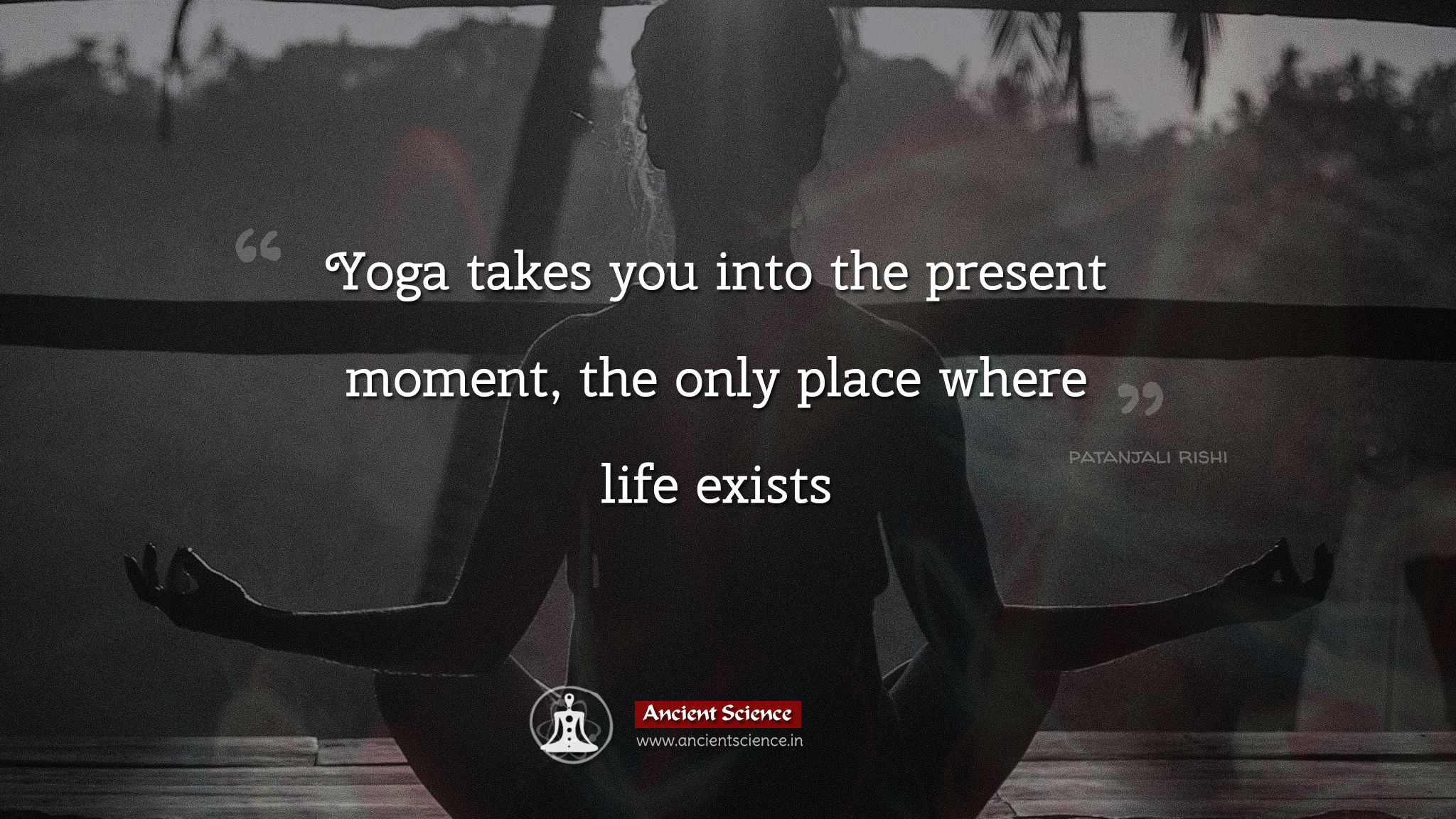
Yoga and meditation differ fundamentally in their approach to well-being: yoga focuses on harmonizing soul, mind and body through physical postures (asanas) and breathing techniques (pranayama), while meditation concentrates solely on stilling the mind and cultivating internal awareness. Meditation is a component of yoga, often practiced after asanas to stabilize the body and mind, but it can also be a standalone practice.
What is best meditation technique?
The Best Meditation Technique is Listening meditation. In this meditation one listen to untraceable sound.
What is meditation and its benefits?
Meditation is a mental practice that cultivates present-moment awareness by focusing attention to bring about mental clarity, emotional calmness, and deep relaxation. Its benefits are wide-ranging, including stress and anxiety reduction, improved emotional health and focus, enhanced sleep, and physical benefits like lower blood pressure and a stronger immune system. Various techniques exist, from focusing on the breath to using a mantra, and the practice can be integrated into daily life for overall well-being.
How do you meditate?
To meditate, find a quiet place and sit or lie comfortably. Focus on your breath, noticing the sensation as you inhale and exhale, and gently bring your mind back to your breath whenever it wanders. There’s no right or wrong way to meditate; simply practicing awareness and returning to your breath is the core of the practice.