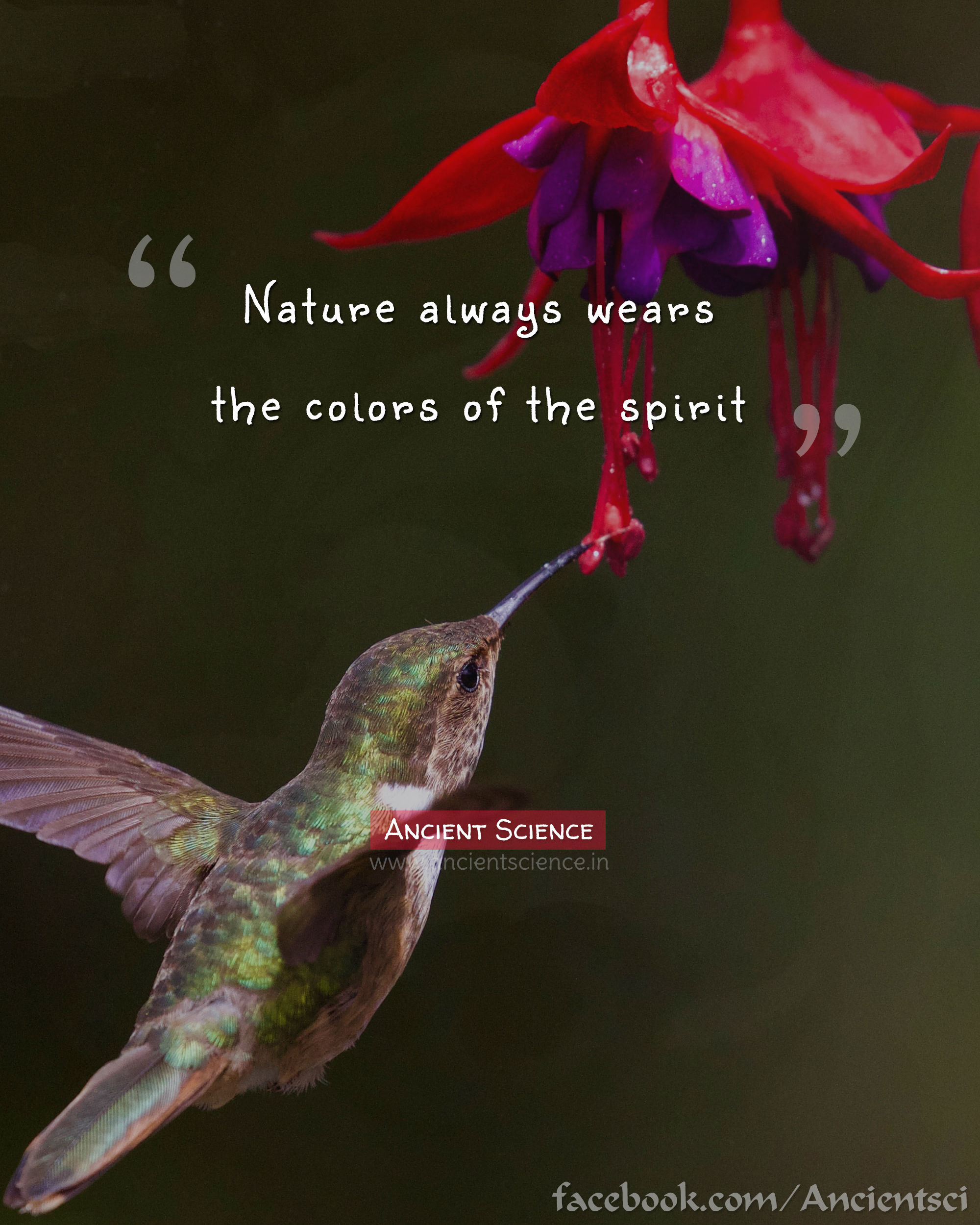
“Prakriti” in Ancient philosophy generally refers to nature, primordial nature or the material world, and the fundamental creative energy or principle of the universe. It is often contrasted with Purusha, which is associated with consciousness or spirit. Prakriti is also understood as the source of all creation and transformation. In Ayurveda, Prakriti refers to an individual’s unique constitution or nature, determined at birth.

The cosmic Nature
Cosmic Prakriti:
In Samkhya philosophy, Prakriti is the primordial, unmanifest source of all matter and energy, composed of the three gunas (Sattva, Rajas, and Tamas).
Ayurvedic Prakriti:
In Ayurveda, Prakriti refers to a person’s unique physical and mental constitution, determined by the balance of the doshas (Vata, Pitta, and Kapha) at the time of conception.
Feminine Principle:
Prakriti is often associated with the feminine principle and the creative power of the universe.
Material Cause:
It is considered the material cause of the universe, the substrate from which all things arise.
Dynamic and Ever-Changing:
Prakriti is not static; it is dynamic and constantly undergoing change and transformation.
Purusha and Prakriti –
In essence, Prakriti is a multifaceted concept encompassing the material world, the creative energy of the universe, and an individual’s unique constitution.
Prakriti in ancient philosophy.
Prakriti is primordial nature.
Primordial nature or matter is that which existed before creation. Primal matter is the subtle matter. Prakriti is that which exist before the creation.
— Ancient Philosophy
Prakriti in the Vedas.
In ancient vedic philosophy, Prakriti represents the fundamental, material aspect of existence, often contrasted with the spirit or purusha, the conscious or spiritual principle. It’s the source of all creation, the basic stuff from which the universe is made. Prakriti is not merely inert matter, but a dynamic force, characterized by the three Gunas (Sattva, Rajas, and Tamas), which influence its various transformations.
Prakriti in upanishad.
In the Upanishads, Prakriti (often translated as nature or primordial matter) is understood as the dynamic, ever-changing aspect of reality, in contrast to the unchanging Purusha (the supreme spirit, consciousness or Self). It’s seen as the source of the material world and its transformations, composed of three Gunas (qualities) that influence all aspects of existence.
Prakriti in Ayurveda.
In Ayurveda, Prakriti refers to an individual’s inherent, natural constitution, determined at the time of conception. It’s a fixed, unchangeable aspect of a person, shaped by the balance or imbalance of the three Doshas (Vata, Pitta, and Kapha). Prakriti dictates an individual’s physical, physiological, and psychological characteristics, as well as their susceptibility to certain conditions.
Prakriti in Yoga.
In Yoga philosophy, Prakriti refers to the fundamental, unmanifested, and ever-changing nature or substance of the universe. It is the primordial source from which all physical and mental phenomena evolve. Think of it as the dynamic, creative force or energy that gives rise to the manifest world, including our bodies and minds.
About this concept >
Prakriti is a concept or term in ancient philosophy. Prakriti in philosophy means nature or primordial nature, it is that fundamental element whose result is the world.