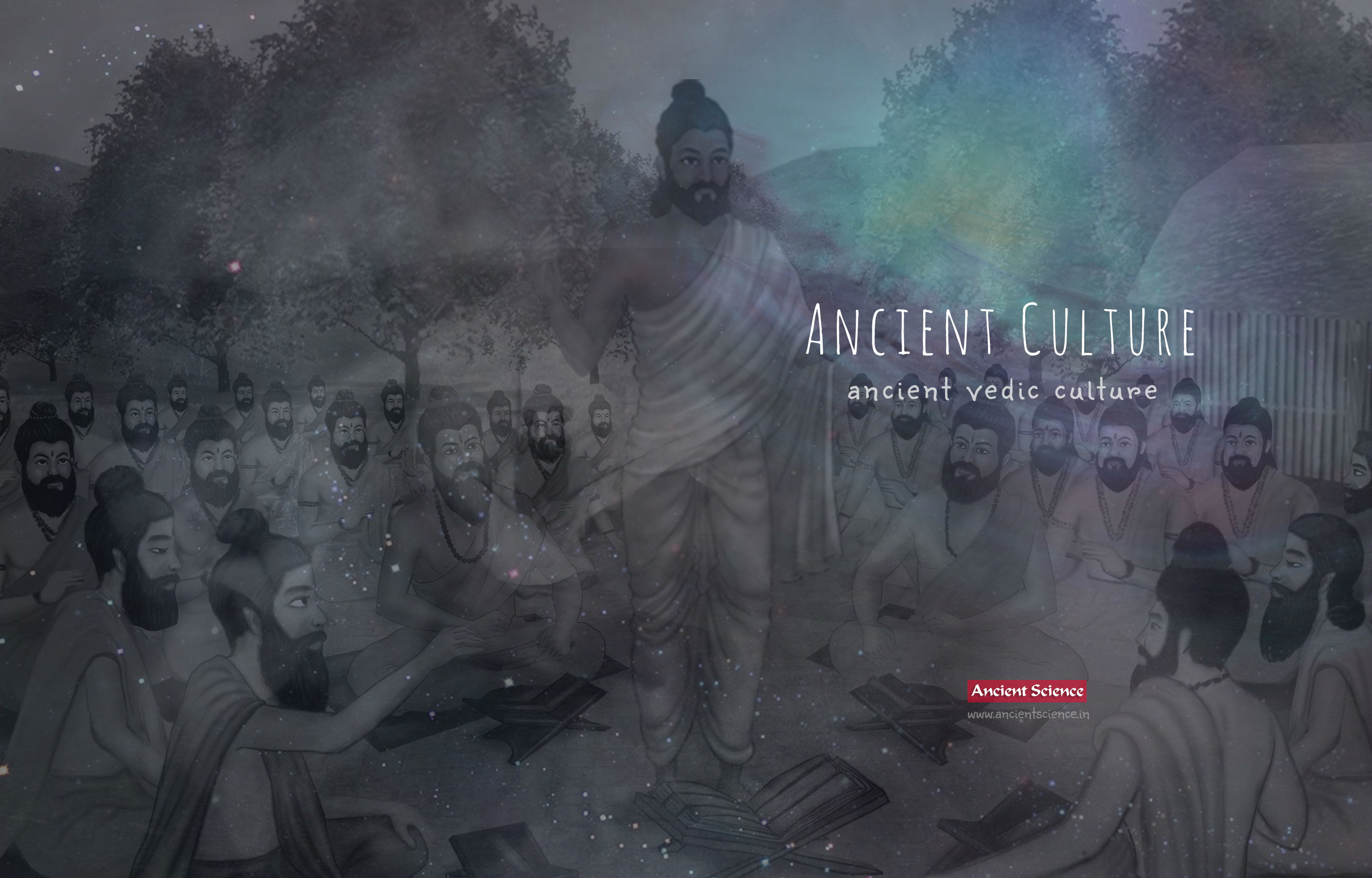
Ancient culture refers to the most ancient culture of the world.
Ancient culture refers to the world’s oldest culture, which has existed since the beginning of mankind. So what exactly is the world’s oldest culture? The ancient culture, specifically the ancient vedic culture & civilization, is the oldest culture in the world.
– Ancient philosophy.
What is the meaning of ancient culture?
What Ancient culture refers to the distant past, specifically the time at beginning of humankind. It encompasses the past beliefs, social structures, and artistic expressions of ancient or oldest civilizations and past civilizations. Examples include ancient architecture, art, belief systems, and the remnants of lands and civilizations from that era.
What is considered “ancient”?
Generally, “ancient” refers to the period of beginning of humankind. This timeframe encompasses a vast stretch of ancient history, including the rise of ancient civilization.
Aspects of ancient culture:
Civilizations:
Ancient cultures include well-known ancient civilizations like the ancient vedic civilizations.
Social structures:
Ancient societies developed complex social hierarchies, including ancient sages, philosophers, kings and intellectuals and enlightened beings.
Belief systems:
Ancient cultures often had elaborate ancient spiritual practices, rightesous or religious practices and spiritual beliefs including ancient mythologies or stories.
Art and architecture:
Examples include ancient temples, ancient structures like ancient pyramids, statues, and pottery, reflecting artistic and architectural styles of the time.
Daily life:
Ancient cultures also included everyday practices like agriculture, trade, craftsmanship, and the development of writing systems.
Impact on the present:
Ancient cultures have profoundly shaped the world we live in today, influencing language, law, philosophy, and artistic traditions.
Why is ancient culture important?
Why ancient culture is essential? Was the progress and achievements of mankind till date possible without ancient culture? Was the progress of mankind possible without ancient culture? The present progress is not possible without ancient culture.
Ancient culture and heritage are the basis of our progress.
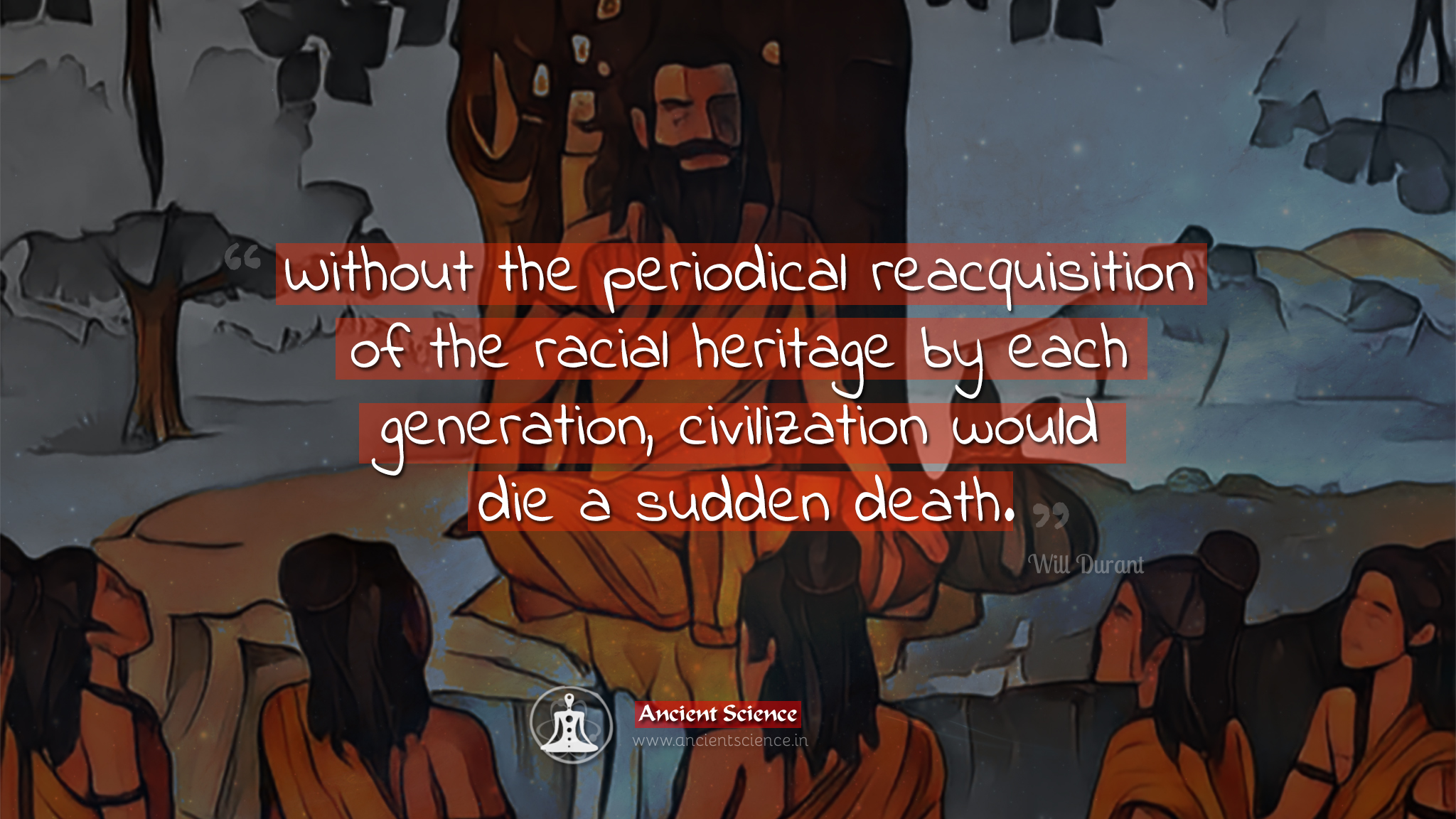
Without that periodical reacquisition of the racial heritage by each generation, civilization would die a sudden death.’ —Will Durant
Heritage of our ancient culture >
What is our inheritance? To what we are heir? where do we come from? Where did humanity evolve from? How has humanity evolved so far?
To all that humanity has achieved during millions or thousands of years, to all that it has thought and felt and suffered and taken pleasure in, what has humanity achieved so far and what has it lost? to its cries of triumph and its bitter agony of defeat, to that astonishing adventure of man which began so long ago and yet continues and beckons to us. To all this and more in common with all men.
Our inhertance..
But there is a special heritance for those of us all… something that is in our flesh and blood and bones, that has gone to make us what we are and what we are likely to be.
That inheritance which we are talking about is in our flesh and blood and bones is contained in the ancient culture and ancient wisdom, the ancient wisdom of the Vedas, and the ancient scriptures and all these we know and designate as ancient culture.
Fundamental tenets of ancient culture.
The ancient science website is an exposition of the fundamental tenets of ancient culture, the ancient vedic culture, to explore the fundamentals of ancient culture, explore the ancient science website.
Where is ancient culture came from?
The curtain for the pageant of this culture rose in ancient holy spritiual land with its primary scenes coinciding with the first chirping of the birds from out of the forests of ancient holy land. Since then many have been the performances staged by it through the span of time and in the expanse of space.
Each performance can rightly be looked upon as a lever or the motivating force for its drama to move on and survive to this day. Its various concepts have crystallized themselves into notes which have been played upon the flute of history. And the sounds of its music are known to have been heard from flowering rosebeds of prosperity to thorns, thistles, and briars of adversity; through glen, thicket, wood, and dale ; from fields of battle where men have waded through blood to the peace and quiet of a winter’s fireside.
It is therefore befitting in the present context that the torch of our investigations be first spotlighted on the existing books, records, and other evidences which have survived through the centuries. These should be considered to be the bridges constructed over the waterways of time on which the traffic of the knowledge of antiquity has wheeled itself to the present day.